
Workshop
15:15 – 16:45, 21 May
Local LLMs for Design Research: Considerations fro Ethical and Environmental use of AI
Presented by
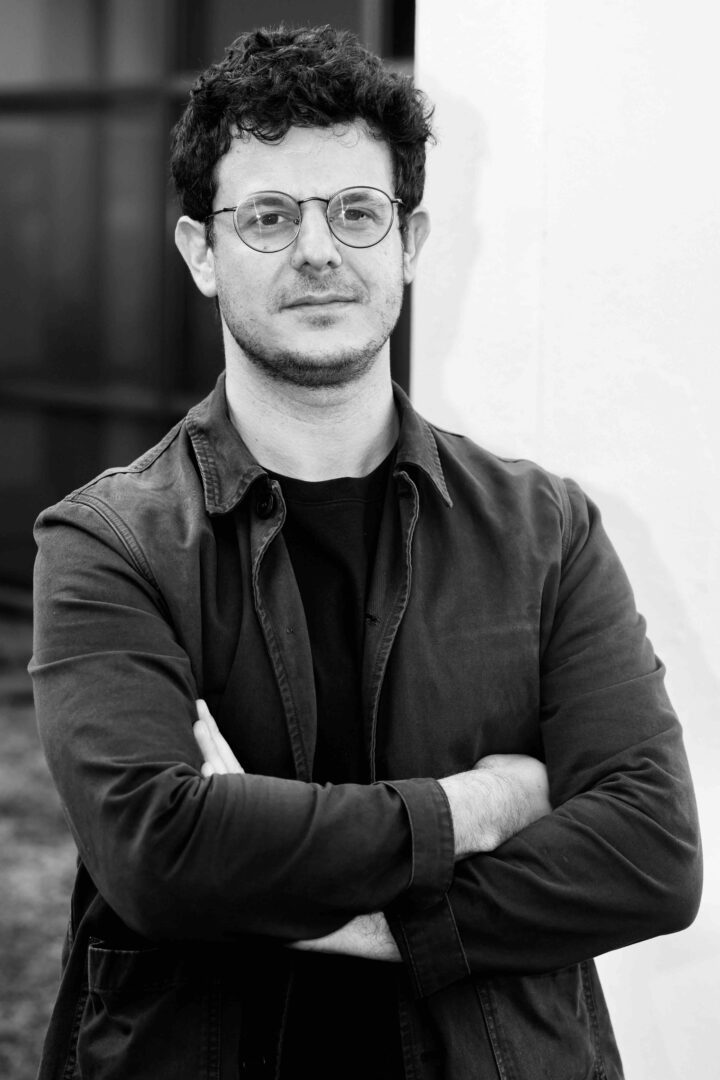
Ben Drusinsky & Simon Meienberg
AI is perceived as a threat to academic integrity. It is often met with strict countermeasures and rules or disregard. However, mastering AI tools, especially those outside the control of big corporations, can equip researchers and students with the know-how and tools to deepen their research and explore alternative eco-social futures.
Mainstream AI tools offer convenience and ease of use, but they also obscure the ethical and environmental costs of LLMs and perpetuate biases. Running LLMs locally on personal computers offers significant benefits for researchers, including privacy, reduced ecological footprint, cost savings, and, foremost, greater control over research tools.
This workshop explores the use of locally run large language models (LLMs) for PhD and early-career researchers in design research. Participants will learn how to install lightweight LLMs on their own computers for literature and data analysis and integrate them into their research and writing process, while gaining an understanding of the technical, ethical, and ecological dimensions of AI use in general and in academic contexts.
About
Ben Drusinsky is an architect, computational designer and creative technologist based in the Netherlands. Currently a PhD candidate and adjunct lecturer at the Köln International School of Design, exploring ecological, critical, and creative computing in the built environment. With a master’s in architecture and industrial design, Ben works in the intersection of architecture, critical making, and speculative design.
Simon Meienberg is a PhD design ethnographer focusing on postcolonial urban development and social participation processes. In his dissertation Dakar Mobilities, he investigated urban practices of exclusion and participation at the example of the Train Express Régional in the Senegalese capital Dakar. Combining creative and ethnographic methods, Simon worked with the theatre forum group Kaddu Yaraax and the collective les impactés du TER to explore the selective connection logics of neocolonial mobility infrastructures and their displacement of local forms and functions of mobility. Therefore, he developed participation-oriented formats for visualising implicit and embodied knowledge.