
Workshop
17:30 – 18:30, 22 May
Expanding the Boundaries of the Imaginable – Transforming North–South Relations through Designs for the Pluriverse
Presented by
Miriam Lang
We live in a rapidly changing world marked by ecological crisis, geopolitical instability, war, and the global rise of authoritarian and far-right politics. By Design or by Disaster—originally a slogan of the degrowth movement—captures the idea that a reduction in human material and energy consumption is inevitable: either through ecological collapse or through a deliberate shift away from the growth imperative that still dominates capitalist societies. Mainstream responses such as the green economy and digitalisation risk deepening the crisis, as they increasingly depend on the extraction of “critical raw materials” from the Global South to sustain enclaves of prosperity in the Global North. What alternatives exist? How can we imagine material provisioning beyond capitalist industrial production and megaprojects? This lecture addresses these questions from a perspective contemporary eco-territorial internationalism that moves beyond the limits of global governance to build peoples-to-peoples climate justice, and design reparative pathways in response to colonialism, slavery, land grabbing, and ecological destruction. In doing so, it seeks to expand the boundaries of what is politically imaginable towards systemic alternatives.
About
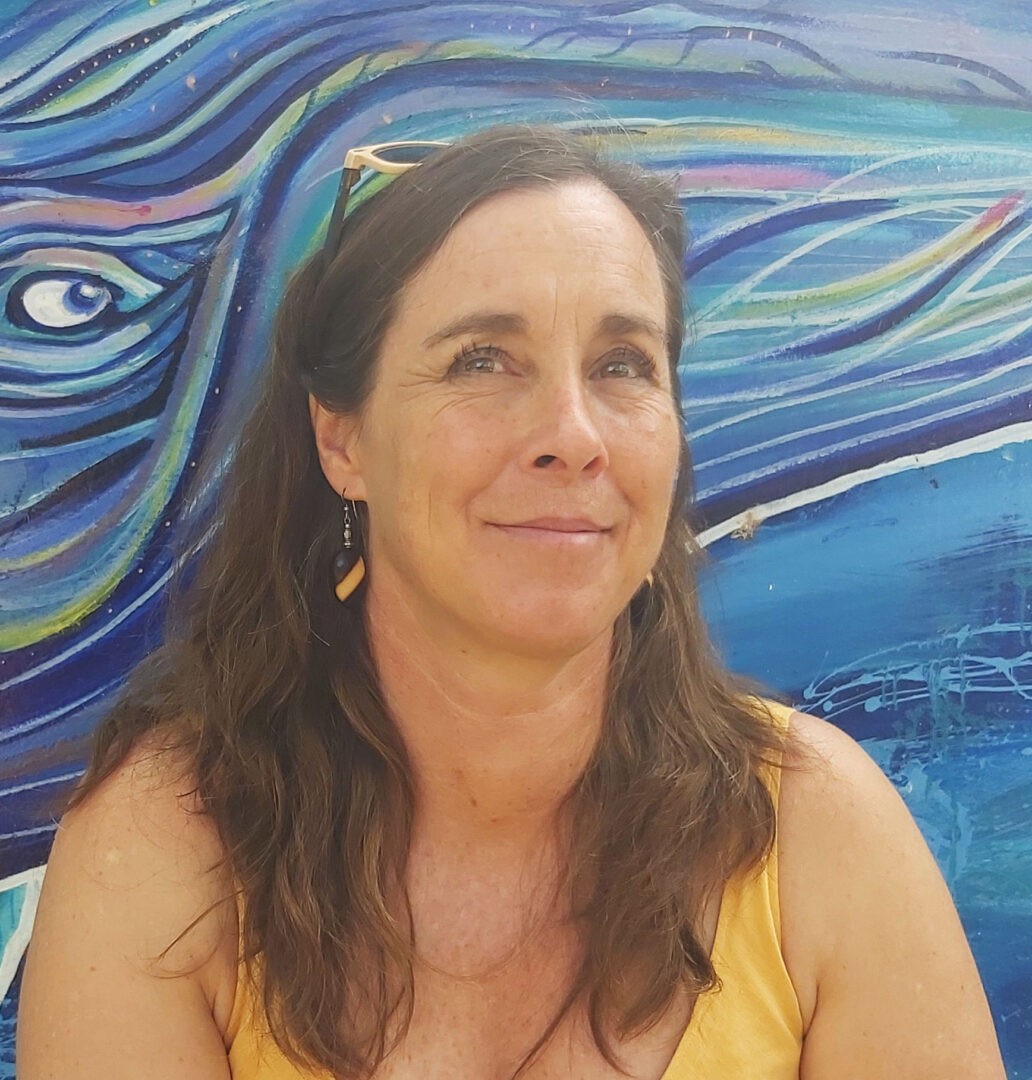
Miriam Lang is an academic activist. She works as Professor in the Department for Environment and Sustainability at Universidad Andina Simón Bolívar, Ecuador. Since 2020, she has been coordinating the master’s in Political Ecology and Alternatives to Development. She holds a PhD in Sociology and a master’s degree in Latin American Studies from the Free University of Berlin. She collaborates with the Latin American Permanent Working Group on Alternatives to Development which she co-founded in 2010, being head of office of the Rosa Luxemburg Foundation for the Andean Region, and with the Global Working Group Beyond Development . Her research focuses on the critique of development, systemic alternatives and the territorial implementation of Buen Vivir and combines decolonial and feminist perspectives with political economy and political ecology. As a person from the Global North who decided to live in Latin America more than 20 years ago, Miriam is concerned with translating and weaving knowledges and experiences of transformation between different geoepistemic spaces. She is also active in the Ecosocial and Intercultural Pact of the South.